
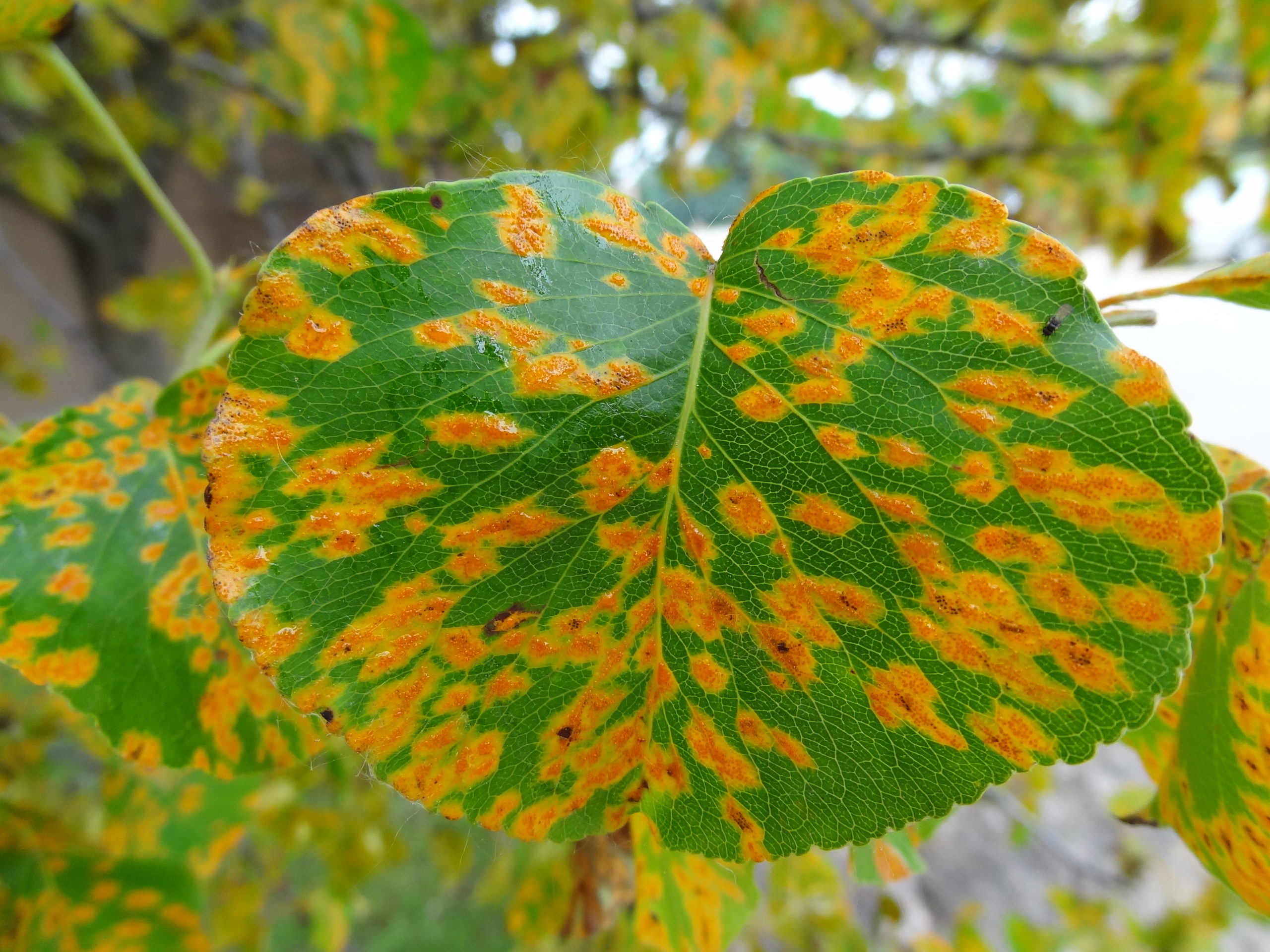
Understanding and Managing Diseases in Deciduous Trees and Shrubs
Introduction to Broadleaf Tree and Shrub Diseases
Deciduous or broadleaf trees and shrubs enrich our landscapes with their beauty, shade, and ecological benefits. However, they are not immune to a range of diseases that can mar their appearance, weaken their structure, or even threaten their survival. This page delves into the common diseases affecting broadleaf trees and shrubs, offering insights into symptoms, disease cycles, and effective management strategies.
Common Diseases and Their Impact
Winter Injury and Frost Damage
Harsh winters and late spring frosts can severely impact broadleaf trees and shrubs. Winter injury may manifest as bud death, cambium damage, or “winter burn,” leading to foliage wilt or failure. While alarming, many plants recover with time, though patience and proper diagnosis are crucial to avoid premature removal.
Early Season Defoliation
Spring and early summer can bring diseases like anthracnose and pests such as the maple petiole borer, causing significant leaf drop. Despite the initial concern, most plants will recover with a new flush of growth, highlighting the importance of resisting hasty actions based on incomplete diagnoses.
Late Season Defoliation
Diseases like tar spot on maple and scab on crabapples, along with pests like spider mites, may cause leaf loss later in the season. Although affected plants won’t re-foliate within the same season, they typically recover and produce new growth the following year.
Powdery Mildew: A Common Foe
Powdery mildew, caused by fungi such as Podosphaera spp. and Erysiphe spp., is a widespread issue affecting a variety of broadleaf plants. Characterized by a white powdery appearance on leaves, it’s generally not lethal but can mar the aesthetic appeal of plants. Management focuses on landscape designs that promote good light and aeration and proper moisture management.
Management Strategies for Broadleaf Tree and Shrub Diseases
Effective disease management begins with accurate diagnosis. Understanding the specific disease or pest affecting your plant is crucial for determining the appropriate course of action. Here are key strategies for managing broadleaf tree and shrub diseases:
- Preventative Care: Choose disease-resistant plant varieties and ensure proper planting locations to reduce disease incidence.
- Cultural Practices: Promote good air circulation and light penetration through strategic planting and pruning. Manage irrigation to avoid excessive moisture that favors many fungal diseases.
- Chemical Controls: In cases where diseases are severe or plants are highly valuable, fungicides may be applied preventatively or at the first signs of disease. Always follow label directions and consider the environmental impact.
Conclusion
While diseases and pests can pose significant challenges to broadleaf trees and shrubs, understanding the underlying causes and adopting appropriate management practices can greatly enhance plant health and landscape beauty. Remember, patience and proper diagnosis are key to successful recovery and management of diseased plants.
For professional diagnosis and management of deciduous or broadleaf tree and shrub diseases, contact Dr. David L. Roberts at 248-320-7124 or treedoctordave@gmail.com.
Michigan Green Industry Association (MGIA) Articles:
The Landsculptor
EAB: The Michigan Experience (2008)
Anthracnose of Trees and Shrubs (2008)
Rhododendron Root and Stem Rot (2009)
Armillaria Shoestring Root Rot (2009)
Scab of Apple and Crabapple (2010)
Imported Honeysuckle Aphid & Witches Broom (2010)
Powdery Mildew of Landscape Plants (2010)
River Birch: Mouse Ear or Herbicide? (2010)
Oriental Chestnut Gall Wasp (2010)
BigTrees: Stirring the Senses (2011)
Bacterial Wetwood Slime Flux (2011)
Two Lined Chestnut Borer (2012)
Asian Longhorned Beetle (2012)
Beech Bark Disease: A Management Breakthrough (2013)
River Birch & The Elusive Powdery Mildew (2014)
Spring vs Summer Foliar Dilemmas (2014)
Trellis Rust On Ornamental Pear (2014)
Pachysandra: Volutella Leaf & Stem Blight (2015)
Phone Stem Blight of Vinca (2015)
Verticillium Wilt of Tress & Shrubs (2015)
Trellis Rust: An Update (2015)
Trellis Rust Epiphytotic (2017)
Phytophthora: The Plant Destroyer (2018)
Root & Butt Rots of Trees: Risky Business (2018)
Phytopathology 101: Foliar Diseases (2018)
Invasive Diseases and Pests (2018)
Beech Bark Disease: 11Years Later (2018)
Trellis Rust Management (2018)
Lawn Grasses Under Trees: Bringing Happiness To A Perennial Struggle (2019)
DED American Elms: An Update (2019)
Shady Prospects “It’s Elementary, My Dear Watson” (2020)
The Advance of Trellis Rust (2022)
Boat Attacks Maple Tree (Sept 2023)
Sheet Happens Mn Deficiency in Maple (July 2024)
Sons of a Beech (
Can Gylphosate Stop Dutch Elm Disease (May 2025)
Michigan Nursery and Landscape (MNLA) Articles:
The Michigan Landscape
Maple Decline…or Acer Declinitis (2017)
Verticillium Wilt of Woody Ornamentals (2018)
The Two-Lined Chestnut Borer (2019)
Beech Bark Disease: 10+ Years After Treatment (2019)
The Advance of Trellis Rust Across Michigan (2025)